Walk the Tides: Unlocking Hidden UK Bays Safely

Set out along Britain’s rugged littoral with confidence as we focus on tide-safe planning for reaching secret UK bays on foot. You will learn to interpret tidal ranges, identify timing windows and escape lines, pair paper charts with reliable apps, and balance curiosity with caution. Stories, checklists, and respectful stewardship advice will help you arrive dry, linger wisely, and leave before the sea quietly closes the door behind you.

Springs, Neaps, and the Space Between

During spring tides the sea’s reach stretches farther and faster, exposing vast shelves and then reclaiming them with intent. Neaps ease the range, often gifting longer, calmer windows. Yet neither guarantees safety. Plan for the faster middle hours, respect local constrictions, and think ahead to where the water will be, not where it sits now.

Rule of Twelfths: A Guide, Not Gospel

The rule of twelfths sketches how tidal height accelerates and eases across six hours, suggesting gentler starts and ferocious middles. Treat it as a teaching tool, not a promise. Wind setup, barometric pressure, swell, and channel effects can compress windows. Keep buffers large, watches honest, and instincts tuned to what the water actually does.

Maps, Apps, and Tables You Can Trust

Blend the reliability of paper mapping with the precision of modern data. Ordnance Survey contours reveal cliff breaks and benches; Admiralty tables predict heights and times; reputable apps visualize changes hourly. Cache offline layers, annotate exit points, and pack redundancy so a flat battery or drizzle-soaked screen never becomes the reason you turn back late.

Paper Backbone, Digital Speed

A folded OS map resists rain, shows scale honestly, and invites big-picture thinking across headlands and cut-off shelves. Digital tools add speed, elevation profiles, and tide overlays. Use both: sketch approach lines on paper, drop waypoints on your phone, and reconcile differences until the route and timings make sense from multiple perspectives.

Battery, Brightness, and Backup Planning

Coastal glare drains screens faster than you expect. Lower brightness, enable airplane mode, and carry a compact power bank. Keep a small analog wristwatch set to local tide time, plus a grease pencil for waterproof notes. Redundancy means one tool fails gracefully without erasing your timing, exit options, or confidence when clouds gather unexpectedly.

Worm's Head Timing Walkthrough

Worm’s Head on the Gower offers a classic causeway window controlled by tide height and swell. Approach with a conservative schedule, cross on the ebb, and set a firm turnaround that beats the flood by a wide margin. Speak with local wardens, watch the surge between ledges, and never allow excitement to replace a clear retreat.

Spotting Tidal Gates Before You Step Down

A tidal gate might be a narrow ledge around a buttress, a notch in a reef, or a cobble bar temporarily revealed. From clifftop vantage points, mark these controls and time how swell breathes through them. If surge already kisses the rock, treat it as closing. Gates do not argue; they simply refuse latecomers.

Turnaround Times That Save Your Day

Choose a conservative latest-departure tied to predicted height, daylight, and the slowest walker. Set alarms on watches and phones, and rehearse the phrase we leave on the first alarm. When windows stretch, enjoy the margin. When conditions compress, honor the plan and go. The bay will wait for another tide and safer return.

Reading the Water, Feeling the Ground

Not all dangers wear whitecaps. Long-period swell sends quiet sets that rise above predictions, while reflected waves can stack into sudden surges along walls. Rock slime, loose blocks, and pebbly tilt steal balance. Train your eye to small patterns, your feet to move deliberately, and your plan to value friction over haste.

Wildlife Seasons and Gentle Footprints

Secret bays are homes first and backdrops second. Respect pupping seals, nesting seabirds, and protected flora by adjusting timing, distance, and noise. Leave no trace beyond a few washed footprints. Pack snacks without rustle, keep dogs leashed, skip fires, and treat tidepools as living neighborhoods rather than prop tables for shoes and bags.

Seals, Birds, and Quiet Distances

Late autumn to early spring can bring white-coated pups to quiet coves. Disturbance costs energy they cannot spare. Keep well beyond flush distance, avoid cliff edges above roosts, and mute conversations. Bring binoculars, enjoy from afar, and choose alternate bays when colonies are present. A sighting remembered matters more than a photo taken too close.

Tidepools, Kelp Forests, and Fragile Edges

A tidepool is a galaxy in a basin, with anemones, blennies, and limpet patterns weaving food webs. Step on bare rock when possible, not seaweed. Replace flipped stones gently. Skip sunscreened hands in pools. If a seagrass bed bridges your route, detour. Your curiosity should illuminate, not crush, the intricate life beneath your soles.

Carry-In, Carry-Out, and Invisible Habits

Micro-litter hides easily among pebbles, so double-bag snacks and stash stray offcuts of tape or twine. Pack a small trash-out bag and claim a few extra scraps whether yours or not. Whisper-level voices, no drones, and cool stoves rather than flames keep wild feel intact. Leave only gratitude written in ripples behind you.

Local Voices, Real Stories, and Shared Wisdom

The shoreline teaches best through people who work and walk it daily. Chat with wardens, fishers, lifeboat crews, and café owners who watch windows open and close. Read recent trip reports, compare notes with friends, and share your own lessons. Subscribe, comment, and help others return smiling before the tide turns sharp.

Conversations at Harbours and Pathside Gates

A five-minute chat at a slipway can replace guesswork with grounded timing. Ask about today’s swell, usual cut-offs, and wind shifts that change everything after lunch. Listen more than you speak, and confirm details across at least two sources. Local generosity grows when walkers demonstrate care, preparedness, and a willingness to turn back early.

Trip Reports, Maps, and Aerial Imagery

Recent photos and reports reveal sand bar shapes, collapsed steps, or a boulder fan newly mobile after storms. Cross-check satellite imagery at different tide stages and seasons. Annotate findings on your map, then invite readers to add updates in the comments. Collective notes shrink uncertainty and expand safe windows for everyone who loves wild edges.

Kynance Cove: A Narrow Window, A Safe Return
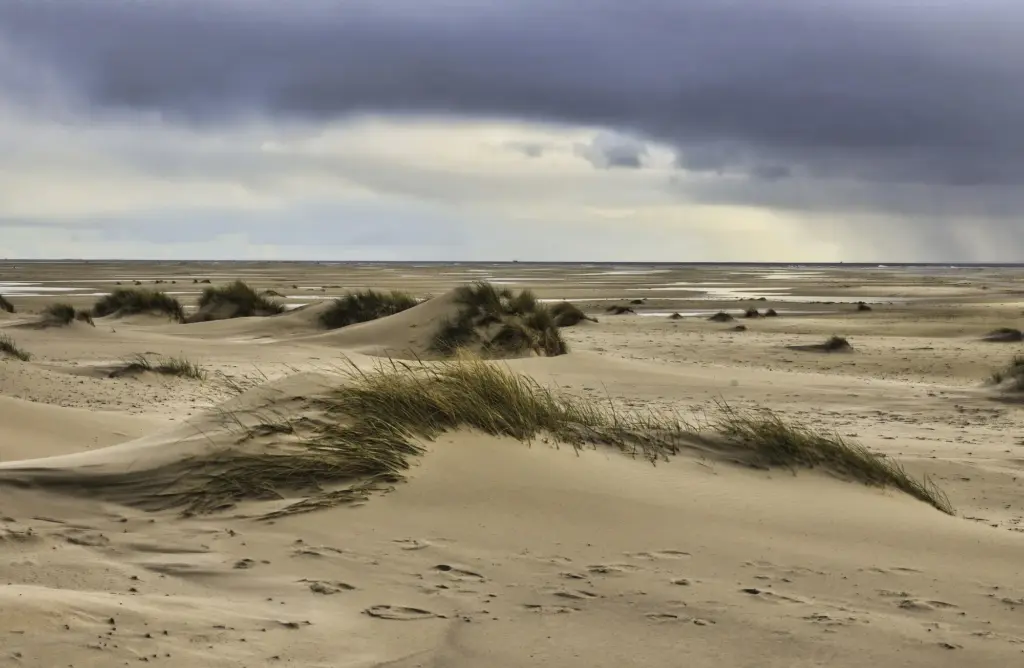
We set off for Kynance under neaps, counting sets that curled into the gullies. The ledge around a buttress wetted every seventh surge, so we pivoted early, still dry, still content. The lesson stuck: windows feel wider when you do not insist on squeezing through the final, least forgiving minutes of ebb.
Temitavosavipexizavo
Privacy Overview

This website uses cookies so that we can provide you with the best user experience possible. Cookie information is stored in your browser and performs functions such as recognising you when you return to our website and helping our team to understand which sections of the website you find most interesting and useful.