
Footprints on the Tidal Edge
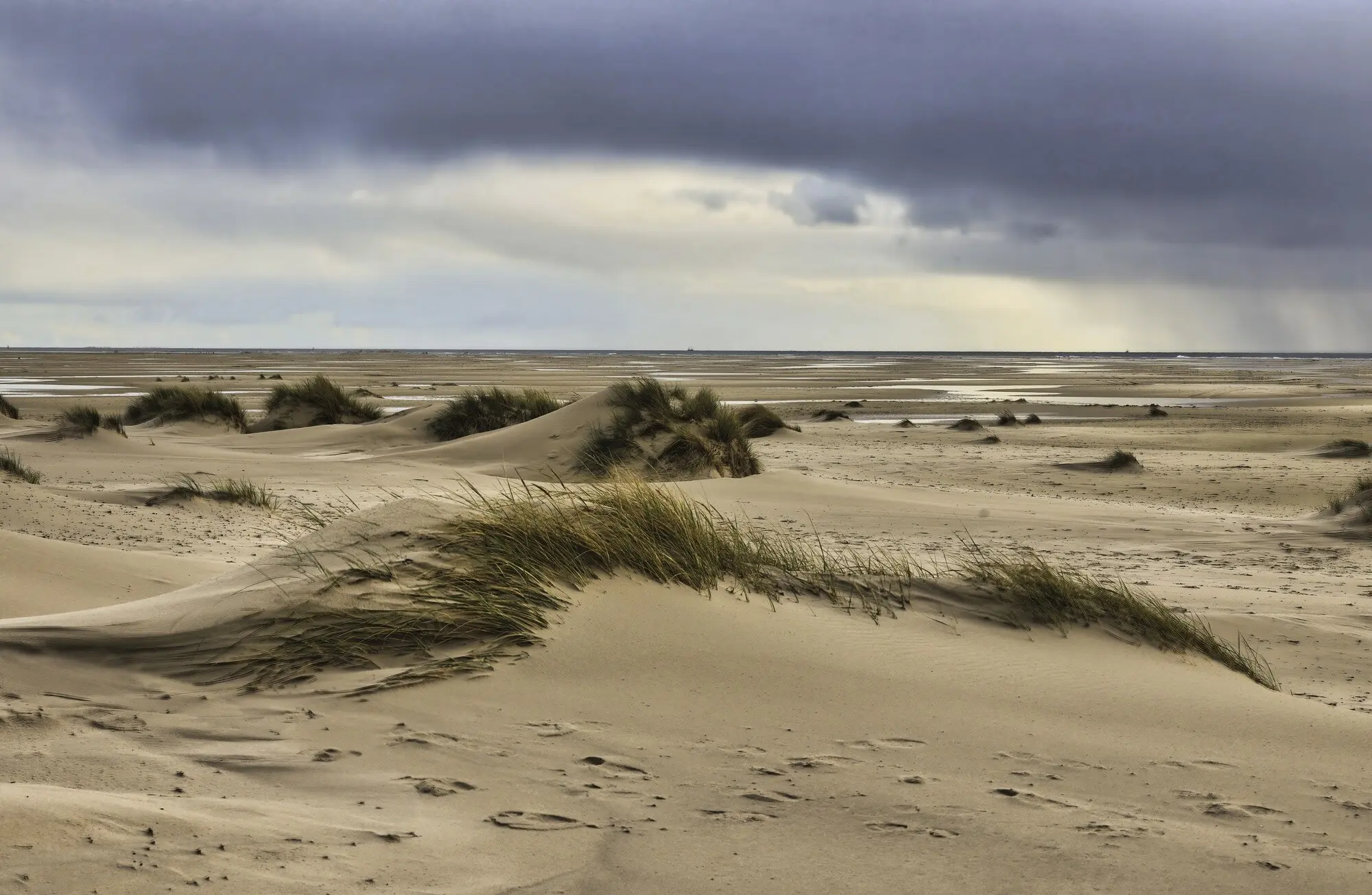
Join us as we venture on wildlife watching walks to remote UK bays and inlets, where shifting sands, eelgrass beds, and kelp-fringed coves shelter seals, waders, and shy otters. With tides as our timetable and wind our guide, we’ll trace quiet rights‑of‑way and fisher paths, listen for curlews, and wait patiently on barnacled rocks. Expect practical guidance, real stories, and a respectful pace, inviting you to share sightings, questions, and route suggestions with fellow coastal wanderers.
Mapping the Quiet Shores
Long before boots meet shingle, careful planning makes remote shorelines welcoming rather than worrisome. We compare tide tables, rights of way, ferry times, and bird sanctuary bylaws, then layer forecasts with local advice. You’ll learn practical mapping habits that protect wildlife, safeguard walkers, and reveal secret, respectful vantage points.

Telltale Tracks and Tidelines
Search for delicate paw prints weaving between kelp knots, otter spraint on flat stones, and shell middens where oystercatchers dined. Binoculars confirm hints, yet patience confirms presence. Practice reading scuffs, droppings, and feeding signs so your body slows, your eyes soften, and wildlife keeps its effortless rhythm.
Seasonal Parades Along the Flats
Spring brings sandwich terns and delicate migrant waders arrowing along the margin; summer shows seal pups hauled out like mottled pillows. Autumn swells with geese and returning divers; winter concentrates curlews and knot. We outline calendars that help time journeys, encouraging minimal disturbance and maximum, unhurried wonder.
Paths Less Trodden: Stories from the Fringe
Real places teach better than lists. On Scotland’s far northwest, Cornish north cliffs, and Welsh island inlets, quiet hours delivered unexpected grace: a pup’s first plunge, an otter’s silver spine, a murmuration over samphire. These sketches invite your comments, route refinements, and respectful, leave-no-trace revisits.
Fieldcraft that Respects the Wild
Good watching is invisible. Keep dogs leashed near roosts, skirt flocks in wide arcs, and sit lower than the skyline. We discuss optics, approach angles, clothing tones, and photography ethics, showing how thoughtful behavior invites longer encounters, clearer observations, and kinder memories that make communities proud to host visitors.
Distance depends on species, season, and posture. Seals near pups, ground-nesting terns, or feeding divers demand much more space and time. Use binoculars to read body language; if animals pause, stare, or shuffle, you are too close. Step back, sit down, and let calm return without performance.
Gravel chatters, jackets flap, and skylines shout. Choose wool layers, muted colors, and a slower cadence. Crouch beside a boulder rather than crest a ridge, and speak in whispers. The goal is relaxed wildlife, not triumphant selfies, and certainly not flushed birds burning precious energy.
Remote rarely means uninhabited. Respect crofts, working harbors, and private tracks, close gates, and wave thanks. Buy a snack locally, ask for current advice, and share sightings kindly. Good relationships safeguard access, spread enthusiasm, and help rangers protect sensitive coves through trusted, timely, neighborly conversations year-round.

Navigating Risk and Weather
The sea keeps its own calendar. We outline rising-tide traps, fast mud, cliff cornices, and whiteout squalls that snatch horizons. Simple routines—telling someone, noting daylight, packing a map and torch—transform uncertainty into poised caution, supporting careful watches that end with warm hands and confident, unhurried homeward steps.
Escape Routes and Turnaround Times
Before wandering a bar or skirting a saltmarsh, identify high-ground exits and creek crossings you can still reach at half-tide. Set a latest-return alarm, honor it, and don’t bargain with waves. Sticking to small promises often prevents large rescues, keeping days memorable for the right reasons.
Understanding Estuarine Hazards
Estuaries shape quicksand patches, collapsing banks, and deceptively glassy channels that run hard beneath. Probe suspicious ground with a stick, give long detours to bird flocks, and avoid solo crossings. If in doubt, retreat early and watch from shore, trading distance for certainty and excellent, steadier observations.
First Aid for Coastal Rambles
Scrapes, chills, and twisted ankles happen. Pack plasters, blister care, a triangular bandage, and a heat pack; learn to recognize mild hypothermia and treat it promptly. Dry layers, sugary tea, and shelter restore judgment, allowing you to call it a day before risks multiply unnecessarily.
Documenting Encounters Without Distraction
We explore ways to record memories while remaining present: hand-written notes, gentle sketches, and photographs taken from dignified distances. You’ll discover tricks for steady shots in wind, captions that carry habitat context, and an editing mindset that favors truth, care, and community learning over noisy spectacle.

Light Over Liminal Edges
First light scrapes textures from shingle; last light warms cliffs and softens seal whiskers. Work with angles the tide gifts, brace against posts, and let shutter speeds rise rather than stepping closer. Accept grain and motion as honest signatures of weather, distance, and your considerate, tidal timetable.
Words that Hold Salt and Feather
Not every moment needs a photograph. Short field notes capturing wind direction, calls, tide state, and behavior create reliable memories and sharable reports. Sketch shapes quickly, then annotate later over tea. Authentic details help others learn routes kindly and time visits without disturbance or disappointment.
All Rights Reserved.